Skellow Hall
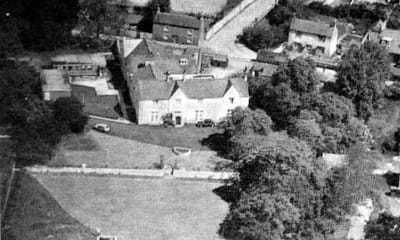
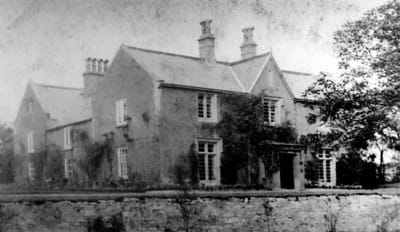
Leonard's son, George Byard, became an officer in the Parliamentarian army during the civil war, during which time Cromwell was entertained and slept at the Hall. He was there to solve the problem of how Cavaliers were bypassing the town of Doncaster and found that they were leaving the North Road at Skellow and crossing the Don at Barnby Dun. His soldiers would be stationed at Skellow during his time there and apparently re-used the old bailey earthworks to build mounds on which to stand their cannon.
George Byard, being childless, left the estate to his wife's nephew, William Rokeby; his descendant Thomas l'Anson lived there at the end of the 17th Century. members of the Davis-Cooke family resided at the Hall at the end of the 19th and early 20th Century, Captain R.C. Davies-Cooke, a Doncaster magistrate, being the last one.
In 1949, the Hall was acquired by Doncaster Council and became a children's home, mainly for orphaned boys or those in need of care. It is now a residential care home for the elderly.